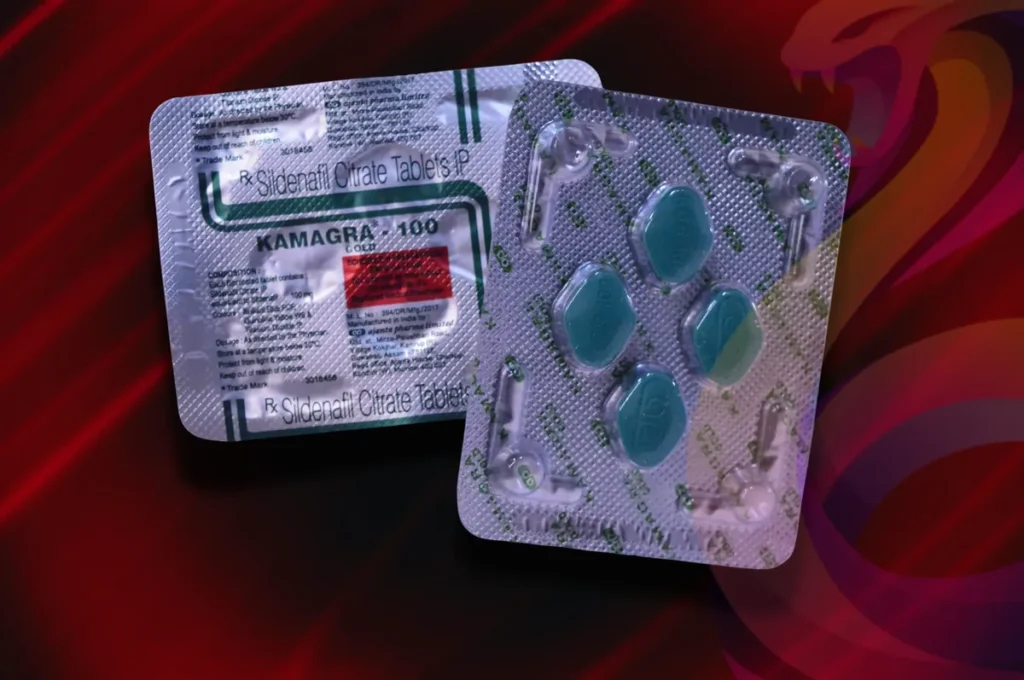
Women’s sexual-health concerns can involve desire, arousal, orgasm, pain, hormones, medicines, health conditions or relationship factors. There is rarely one answer for everyone. Persistent pain, bleeding, distress or a worrying change deserves a confidential clinical assessment rather than a product-led recommendation.
Low desire can have several causes. The NHS guidance on low sex drive describes possible health, medicine and relationship factors, and when to seek help. A product name cannot identify which, if any, applies to you.
Low desire and arousal changes
Sexual desire naturally varies. Stress, tiredness, relationship dynamics, hormonal changes, some medicines and medical conditions can influence it. Difficulty with arousal or orgasm can also have physical, psychological and relational causes. A clinician can review the whole picture and discuss appropriate support without assuming that one symptom has one cause.
Pain during or after sex
Pain may be linked to dryness, infection, skin conditions, endometriosis, pelvic-floor tension, hormonal changes or previous trauma. It is not something anyone should be told simply to tolerate. Seek medical advice for persistent pain, unexplained bleeding, recurrent symptoms or anything that causes concern. Urgent symptoms need urgent care.
Menopause and sexual wellbeing
Perimenopause and menopause can affect comfort, lubrication and desire. NHS guidance explains common symptoms and available routes to support. Treatment choices depend on symptoms, medical history and personal preferences. A GP, practice nurse or sexual-health service can help; online copy cannot provide an individual risk assessment.
Preparing for an appointment
Note when the concern began, whether it is constant or situational, any pain or bleeding, menstrual or menopause changes, recent childbirth, medicines and what you want help with. You do not need to arrive with a diagnosis. You can ask why an examination or test is suggested, request a chaperone and say if something feels uncomfortable.
Be cautious with product-led answers
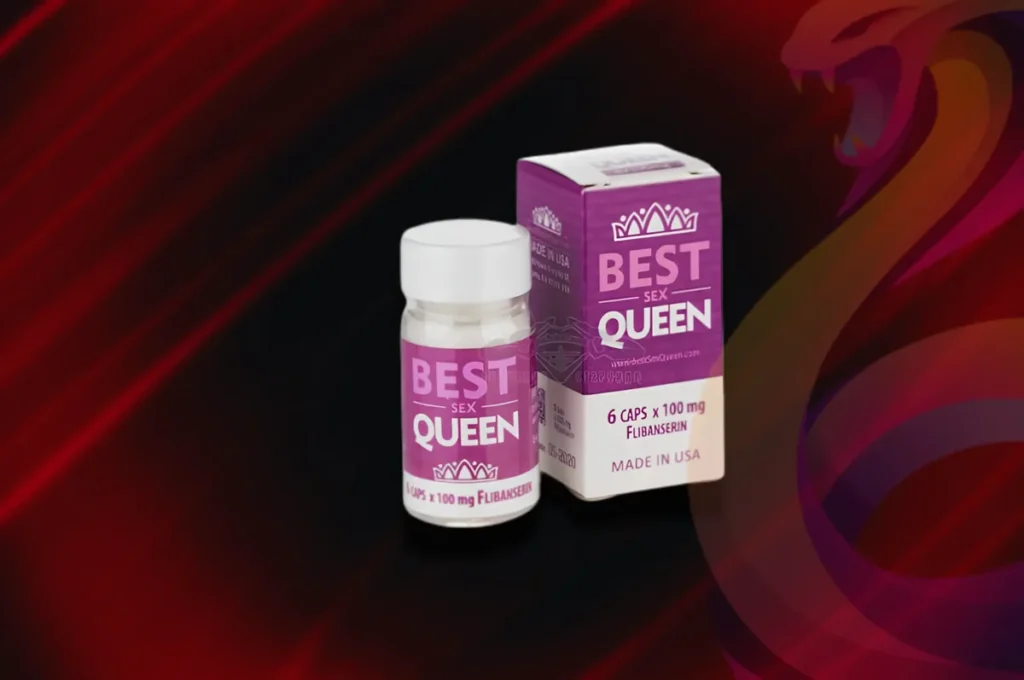
A product marketed for women does not prove that it addresses the cause of low desire, pain or arousal difficulty. A name, testimonial or ingredient claim does not establish identity, quality, effectiveness or suitability. Check any exact medicine and its authorised information separately, particularly during pregnancy, breastfeeding or alongside other medicines.
This guide is the pillar of our women’s sexual-health cluster. For background on products in this category, read Kamagra for women: what products in this category contain, or browse all health guides.
Frequently asked questions about women’s sexual health
Desire varies naturally. Stress, tiredness, relationship dynamics, hormonal changes, some medicines and medical conditions can all influence desire, arousal or orgasm. Because one symptom can have several causes, a clinician reviews the whole picture rather than assuming a single explanation.
Pain can be linked to dryness, infection, skin conditions, endometriosis, pelvic-floor tension, hormonal changes or previous trauma. Seek medical advice for persistent pain, unexplained bleeding or recurrent symptoms. Nobody should be told simply to tolerate pain, and urgent symptoms need urgent care.
Perimenopause and menopause can affect comfort, lubrication and desire. NHS guidance describes common symptoms and routes to support. Treatment choices depend on symptoms, medical history and personal preferences, so a GP, practice nurse or sexual-health service can help.
Note when the concern began, whether it is constant or situational, any pain or bleeding, menstrual or menopause changes, recent childbirth, current medicines, and what you want help with. You can ask why an examination is suggested, request a chaperone, and say if anything feels uncomfortable.
No. A product name, testimonial or ingredient claim does not establish identity, quality, effectiveness or suitability. Check any exact medicine and its authorised information separately, and be especially careful during pregnancy, while breastfeeding, or alongside other medicines.
Sources and related reading
- NHS: sexual health
- NHS: menopause
- Kamagra for women: what products in this category contain
- Sildenafil guide
- Tadalafil guide
- Vardenafil guide
- All health guides
- How we create and update content
If brand names blur together, the product finder narrows the catalogue by need instead of by name.