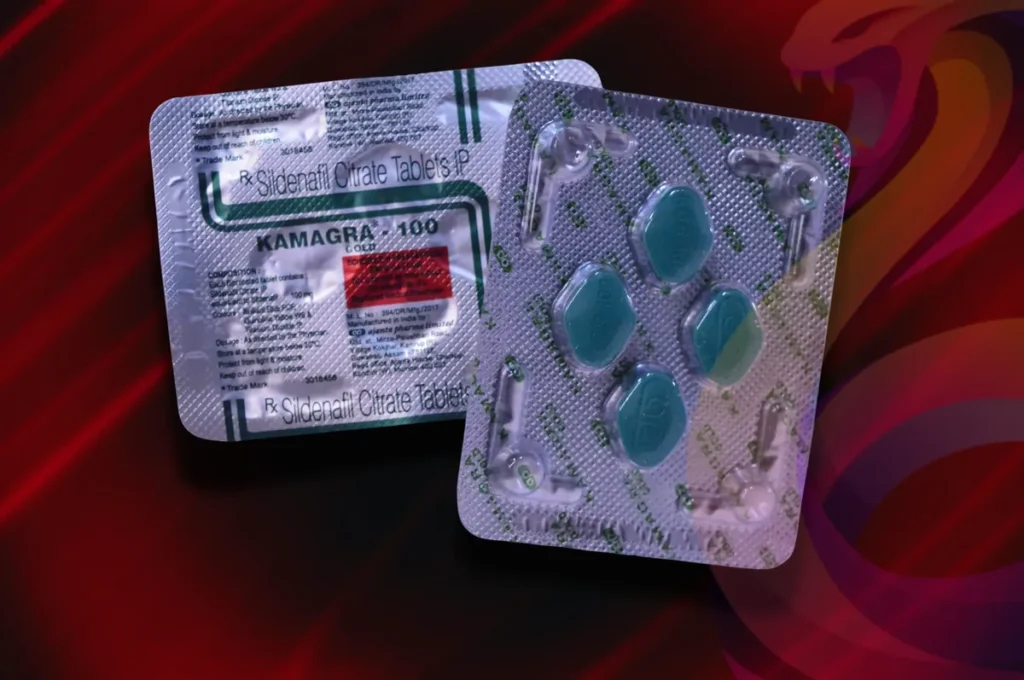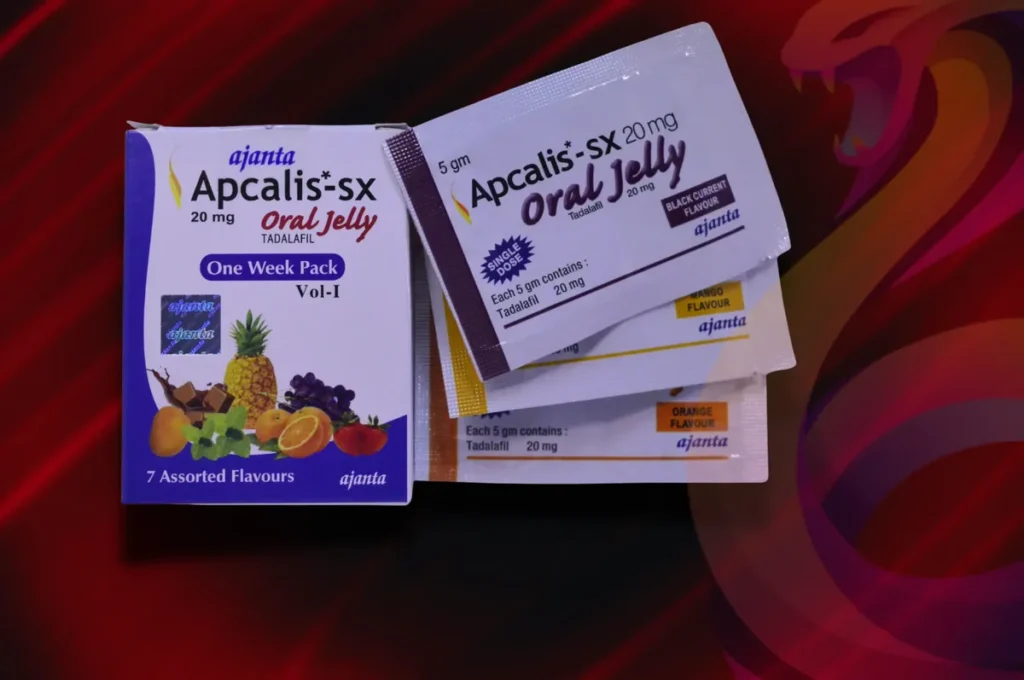
A falsified medicine is a product with false information about its identity, origin or history. This guide covers fake erectile dysfunction drugs: what you can verify and how to proceed. A consumer cannot confirm the authenticity of a specific pack at home — visual checks are not enough. Registration of a medicine and buying through a lawful channel reduce risk, but neither verifies the pack itself. If you suspect a falsified product, do not use it and contact a pharmacist, doctor or the medicines authority.
Falsification of medicines is a global problem that also reaches Europe. Suspicion can arise when buying from an unknown source, at an unusually low price, or with packaging that looks different from usual. This article sets out the steps you can realistically take — from checking registration to reporting a suspicion.
Checking the registration status
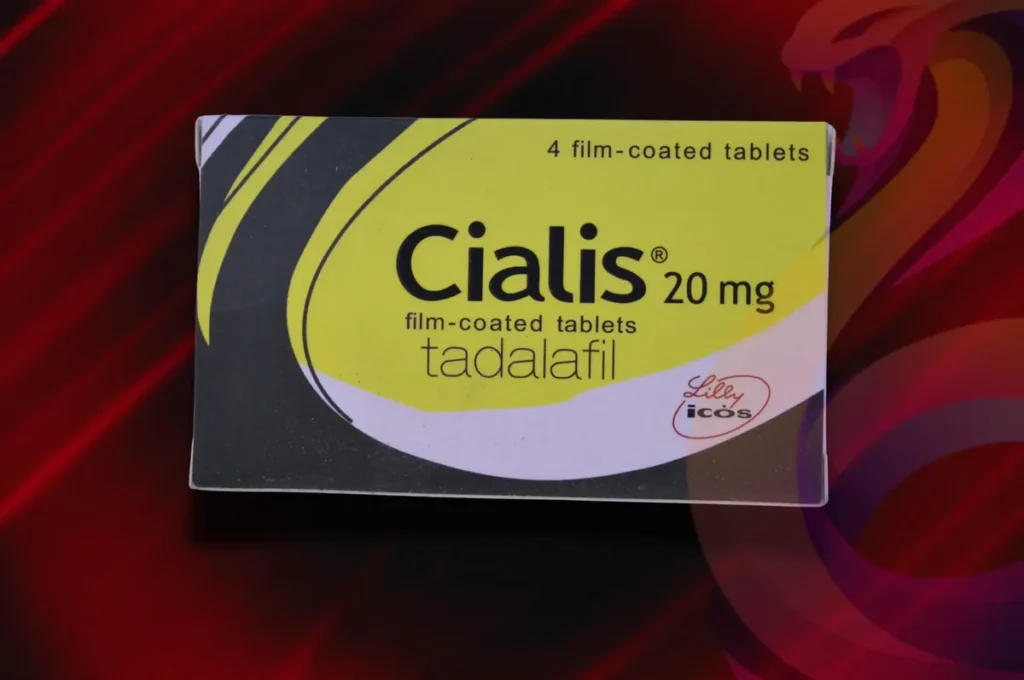
If you have a suspicion, the first step is to check whether the medicine is registered. The national medicines authority in each EU country keeps a publicly accessible database of registered medicines where you can verify the name, strength, form, marketing authorisation holder and other data. If the medicine is not in the database, it is an unregistered product — a first warning sign.
Registration alone, however, does not confirm the authenticity of one specific pack. You can find a registered medicine with the same name on the market and still encounter a falsified version. Still, treat registration as a necessary condition, not a guarantee. Regulators define a falsified medicine as a product with false information about its identity, which can also apply to a pack bearing the name of an otherwise registered medicine.
Checking the seller of fake erectile dysfunction drugs
A lawful internet sale of medicines in the EU is only possible through entities that hold permission for internet dispensing. Each national medicines authority keeps a public list of such entities. Check whether the seller is on the list and whether its website meets the legal requirements.
Seller verification is one of the few steps a consumer can do alone with a high degree of reliability. The national register contains only verified pharmacies and dispensing points with approved permission. If the seller is missing from this list, it is not a lawful channel. The European Medicines Agency also publishes information on buying medicines online that explains the risks of buying outside verified sources.
Checking the EU logo on seller sites
Every lawful internet pharmacy in the European Union must display the common EU logo on its site. Clicking the logo should redirect to the official register of pharmacies in the relevant member state. However, the logo itself is not proof — falsifiers can copy it. After clicking, always check that you have really reached the official regulator page.
Directive 2011/62/EU introduced the common EU logo, and every lawful seller must display it. A missing logo, or a logo that does not lead to a verifiable register, is a serious warning sign. Do not confuse the presence of the logo with confirmation of a specific medicine’s authenticity — it verifies the seller, not the pack.
Fake erectile dysfunction drugs: red flags are suspicion, not proof
Several signs can raise suspicion, but none alone proves falsification. A low price, unusual packaging, a missing patient information leaflet in the appropriate language, typos on the pack, or pressure to buy quickly are typical red flags. Each can also have a harmless explanation — for example, lawful parallel import may have different packaging.
Understand these signs as suspicion, not certainty. A falsified medicine can look perfect, and a registered medicine can have damaged packaging. What decides is not visual impression but verifiable origin — a lawful channel and a registered seller. No single sign is a reason for self-diagnosis or home testing of authenticity.
Price and packaging can signal a problem but do not confirm it. The same applies to declared strength, form or effect — those are data on the pack, not verifiable properties of a specific pack without laboratory analysis.
A safe response to fake drugs and reporting
If suspicion arises, the first step is to stop using the medicine. The second is to contact a professional — a pharmacist, a doctor or directly the medicines authority. Most EU authorities operate a rapid alert system for reporting a suspicious medicine.
When reporting, include as many details as possible: the name of the medicine, the declared strength, where and when you bought it, the condition of the packaging and why you have a suspicion. Therefore, keep the pack and the leaflet — if the suspicion is confirmed, the authority may order a batch withdrawal from the market.
When you suspect a falsified product: do not buy another, do not throw away the original, and do not give it to anyone. Every contact with an unverified medicine increases risk. A health professional or the authority will provide the specific procedure for the situation.
Related informational articles
For a deeper understanding of the active substances most often mentioned in connection with falsified medicines, we recommend the informational articles on the blog. Sildenafil and tadalafil are covered separately: sildenafil: effects, interactions and risks and tadalafil: effects and risks.
Related guides: Super Kamagra: what it contains and why it is not for everyone, Super Vidalista: what it contains and what to watch for, Cobra 120: what it contains, effects and risks and Morning erection: why it happens and when to take notice.
Disclosure and transparency
Author: Testovic. This article is informational and does not replace individual medical or pharmaceutical advice. We have not documented an independent medical or pharmaceutical reviewer. We checked sources from the EU medicines framework on 22 July 2026. Our content methodology is explained on the how we create content page.
FAQ: fake erectile dysfunction drugs
If you have a suspicion, do not throw anything away — keep the full pack, the blister, the patient information leaflet and the proof of purchase. Do not continue using the medicines, do not give them to others, and do not put them in ordinary waste. Contact your national medicines authority and follow its instructions.
A generic medicine is a registered product with the same active substance as a reference medicine, with verified quality, safety and efficacy. A falsified medicine is a product with false information about its identity, origin or history — regardless of whether it contains the same substance. Telling them apart at home by appearance is not reliably possible.
No. A low price is suspicion, not proof. Legitimate discounts, sales or parallel import can lead to a lower price — just as a falsified medicine can. Price is one of several signals: assess it together with the seller check, the registration check and the EU logo.
The common EU logo verifies the seller, not the medicine. Every lawful internet pharmacy in the EU must display the logo, and clicking it must redirect to the official regulator register. The logo alone is not proof of a medicine’s authenticity — falsifiers can copy it.
Falsifiers can imitate the packaging, hologram, barcode and serial number. The only reliable way is laboratory analysis, which a normal consumer cannot perform. That is why you should buy only from lawful, verified sources.
Related reading: the registration status of Kamagra is discussed in detail in Kamagra for women: sildenafil, effects and what research shows. The risks of unregistered high-dose products are covered in Cenforce 200: why 200 mg is not a better idea.
Continue with related guides
National register starting points
The European Medicines Agency points to the national registers of the member states for checking authorised medicines. Below are the competent authority register starting points for each country we deliver to. We cite the EMA overview as provenance and did not individually re-verify every endpoint, so confirm the exact database on the authority site before relying on it:
- BfArM Arzneimittel-Informationssystem: Germany register starting point
- URPL medicines database: Poland register starting point
- Austrian Medicines and Medical Devices Agency: Austria register starting point
- Bulgarian Drug Agency register: Bulgaria register starting point
- ANSM public medicines database: France register starting point
- AEMPS CIMA database: Spain register starting point
- AIFA medicines database: Italy register starting point
- FAGG/AFMPS medicines database: Belgium register starting point
- JAZMP medicines database: Slovenia register starting point
- HALMED medicines database: Croatia register starting point
- Ministry of Health pharmaceutical services: Cyprus register starting point
- Danish Medicines Agency (Lægemiddelstyrelsen): Denmark register starting point
- CBG-MEB medicines database: Netherlands register starting point
How to check a medicine register
Every EU member state maintains a public register of authorised medicines. Search the exact product name and strength in the register of the country where you live or where the seller is based. If the pack is not listed, that is a reason to stop and seek advice from a pharmacist or medicines authority. The European Medicines Agency also publishes guidance on buying medicines online. The national register starting points at the end of this article follow this approach.